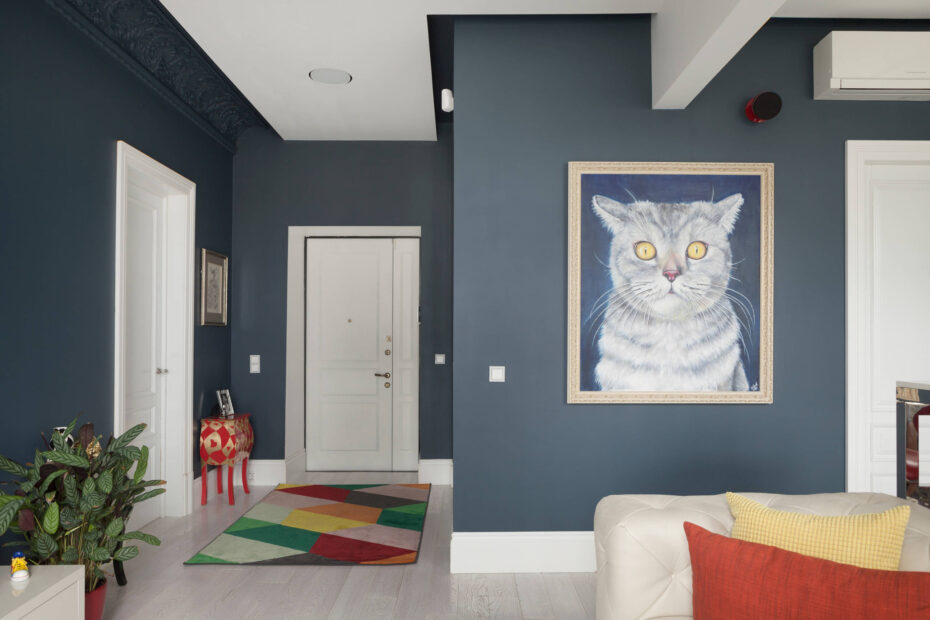
How to Renovate Without Getting Divorced
Renovations are always a challenging process, even for those who have gone through it before. To ensure your relationship survives the ordeal, learn from others’ mistakes and follow these key steps:
1. Planning and Budgeting
This is the cornerstone of a successful renovation. Define your budget and timeline upfront. If you’re renting a place during the renovation, account for additional costs like rent and utilities.
- Evaluate whether taking a bank loan or using an installment plan from a renovation company is more cost-effective for your situation. Many companies offer deferred payments and charge only for completed work, allowing you to pause renovations at any stage.
- Set aside approximately 20% of your budget for unexpected expenses.
2. Avoiding Over-Saving
One client once shared:
“We’ve renovated five times, and we always make the same mistake.”
“What mistake?” we asked.
“Hiring unqualified people to save money.”
Investing in skilled professionals for specific tasks will save you time and money in the long run. Fixing someone else’s mistakes is always more expensive than doing it right the first time.
3. Choosing Materials
Cutting corners on materials often leads to disappointment:
- Cheap wallpaper doesn’t adhere well, showing seams and wall imperfections.
- Low-quality paint peels and applies unevenly unless the surface is prepped extensively.
- Inexpensive tiles can make the space look cheap and quickly feel outdated.
Opt for durable plumbing and electrical systems—they’ll serve you longer and reduce future maintenance costs.
4. Layout and Zoning
Plan the layout carefully to maximize comfort and usability:
- Avoid lining kitchen cabinets along an entire wall. An L-shaped layout is often more practical, and don’t forget task lighting for workspaces.
- Designate a walk-in closet. Proper planning can maximize storage and keep other rooms clutter-free.
- Minimize transitions and joints on the floor for a cleaner look.
- Evaluate whether you need heated floors based on the home’s energy efficiency rating. For houses with an A++ energy class, heat loss is minimal, meaning you can save on electricity bills.
5. Lack of Forethought
Many people only discover design flaws after moving in. To avoid this, think ahead:
- Ensure easy access to plumbing, water meters, and sewer pipes for maintenance.
- If enclosing heating pipes, plan for how you’ll access them for repairs or seasonal maintenance.
- Leave room for water filters and pre-plan spaces for all household appliances.
- Consider how doors will open, including those of appliances and cabinets, to avoid obstructions.
- Strategically place switches and power outlets for maximum convenience.
A thoughtful and well-organized approach will not only make your renovation smoother but also help maintain harmony in your relationship. By planning carefully, choosing quality materials, and involving professionals, you can create a home that meets your needs without unnecessary stress or conflict.